From Peak to Product: The Chiltern Hills Water Timeline
What makes a bottle of water more than just H2O? For me, it’s a narrative stretched across hills, rivers, and the curious algebra of branding. When I look at the Chilterns, I don’t just see chalk and mineral content; I see a timeline—years of human ingenuity, regulatory milestones, and consumer expectations converging into a single sip. I’ve spent a career helping food and beverage brands translate geology into trust, retailers into believers, and farmers this article into brand advocates. This piece isn’t a dry history lesson. It’s a living, breathing playbook built from real client wins, candid missteps, and the small, satisfying moments when a brand’s promise lands on a consumer’s palate.
Here’s how I’ll structure this journey. We’ll start with the seed of the water story—where the Chilterns’ water literally comes from and how that origin became a brand differentiator. Then we’ll map the timeline from Peak to Product, highlighting pivotal moments where product, packaging, and storytelling aligned. You’ll see practical advice you can apply to your own brands, backed by transparent examples from my client work. And yes, there will be questions—answered in real time—so you can extract actionable takeaways fast.
A Seed of Origin: The Geography That Defines a Brand Promise
To build a truly compelling water brand, you start with an honest map of where the water comes from, what’s unique about it, and how that translates into consumer value. The Chiltern Hills are not some abstract picturesque backdrop; they’re a working watermark on the label, a promise of purity, mineral balance, and a story worth telling.
In practice, origin matters in three big ways:

- The mineral profile as product identity The terroir as storytelling fuel The local community’s engagement as a trust signal
When I first worked with a producers’ cooperative in a nearby region, we treated origin like a character in a retail script. We asked: Who is this water for? What problem does it solve? How does the origin become a differentiator without shouting? The answer often starts with a simple, human framework: people drink water when they feel safe, refreshed, and understood. If your origin narrative can make someone feel seen, you’ve already won half the battle.
Key takeaway for brands: map your origin into a customer-facing promise, not just a geographic footnote. Translate geology into sensory cues, packaging cues, and story hooks that a shopper can articulate in 10 seconds.
Brand Architecture 101: Building a Water Brand that Breathes
Every successful food or beverage brand rests on a clear architecture. For Chilterns water, I’ve learned to build a framework that travels well across channels: retail shelves, restaurant menus, and wholesale partnerships. Here’s how I approach brand architecture with consistency and room for growth.
- Positioning: What category does this water own, and what subcategory does it deserve? For Chilterns Water, the position centers on purity, mineral balance, and a light, crisp finish. Value proposition: A crisp, clean hydration experience with minimal aftertaste, achieved through responsible sourcing and low impact packaging. Brand personality: Friendly, trustworthy, a touch witty, never preachy. Brand voice: Clear, concise, and honest. Avoid jargon; talk like you’d talk to a friend who cares about what they drink. Visual identity: A color palette that evokes fresh air and countryside, paired with simple iconography that communicates purity and sustainability.
In practice, a well-structured brand architecture helps you decide what to say on the bottle, what to say on social, and when to shut up at the right moments. I’ve seen brands excel when they align packaging, consumer education, and retailer conversations under a single, consistent promise.
Case in point: one client reshaped their bottle design and packaging copy to emphasize “chalk-filtered purity” and “gentle mineral balance.” The result? A measurable lift in trial, longer time-on-shelf metrics, and higher repeat purchase rates within six months. How did we do it? By clarifying the brand narrative first, then letting product specs and packaging follow naturally.
Pro tip: create a single-page brand manifesto that everyone in the organization can quote. It’s a north star that keeps product development, marketing, and sales aligned.
The Timeline That Tells: Key Milestones from Peak to Product
From a marketing perspective, timing is everything. Let’s walk through a plausible, writerly timeline that aligns product development with brand storytelling, retailer needs, and consumer expectations. This is not a claim about a specific company but a practical blueprint I’ve used with multiple clients in the water category.
- Origin validation and certification (Year 0–1) Establish water source legality, sustainability assurances, and mineral benchmarks Obtain necessary certifications for purity, bottling process, and environmental impact Pilot packaging and consumer testing (Year 1–2) Create multiple packaging iterations to test weight, pour, and perceived purity Run blind taste tests with a diverse panel to identify flavor perception shifts Brand storytelling framework (Year 2) Define the core narrative around origin, community, and environmental stewardship Align messaging with retailer requirements and consumer sentiment Commercial launch in select channels (Year 3) Enter premium grocery, specialty shops, and hospitality segments Implement in-store tastings, QR code storytelling, and targeted sampling Scale and optimization (Year 4+) Expand distribution, optimize packaging for sustainability and cost Refine digital marketing with data-driven creative that reinforces the origin story
In every timeline, the goal is to ensure that product milestones and marketing milestones are synchronized. A bottle should be the physical embodiment of the narrative you’re telling. If the story promises purity, the bottle, label, and even the cap should reflect that with consistent, measurable signals.
Packaging that Sings: Design, Sustainability, and Shopper Delight
Packaging is often the first conversation you have with a shopper. If your product’s voice is a crisp, clear, and legitimate one, packaging should echo that exact vibe without shouting.
What makes packaging work in a crowded aisle?
- Clarity: Can a shopper read the label and understand the core benefit in under five seconds? Integrity: Does the packaging reflect your sustainability commitments? Is the bottle recyclable? Are the inks and adhesives safe? Tactility: Does the packaging feel premium or approachable? The sensory cue should match the consumer promise. Story continuity: Are you threading the origin narrative through the label copy, the QR code, and the in-store displays?
I worked with a client who redesigned their bottle to feature a frosted finish that hints at mineral freshness, with a minimalist label that communicates “purity first.” We paired it with a sustainability claim that resonated with eco-conscious shoppers, which boosted loyalty among a key demographic. The insight? Packaging that speaks in the same voice as the brand strengthens trust and reduces cognitive friction at the moment of purchase.
Fast advice: test packaging with your target shoppers. Do you see confusion or clarity? If you’re uncertain, simplify. Less is often more when you’re competing for a consumer’s attention in a busy category.
Product Quality and Beverage Science: The Hidden Rigor Behind the Sip
Quality isn’t optional in water brands; it’s the backbone. Here’s how I translate beverage science into consumer-facing trust.
- Mineral balance mapping: Chart the water’s mineral profile and explain how it contributes to taste and mouthfeel. Purity benchmarks: Document filtration steps and testing regimes, presenting results in plain language. Consistency protocols: Establish a robust bottling process to ensure uniform taste and mineral content bottle to bottle. Sensory science: Use a trained panel to validate flavor notes and ensure the experience matches the brand promise.
In practice, a client once faced variability Business in mineral content across production runs. We tackled this with a stricter sampling plan, tighter control limits, and transparent consumer-facing tasting notes. The outcome was a steadier product and happier retailers who could stand behind the consistency claim.
Pro tip: publish a quarterly taste and purity scorecard on your site to give consumers an ongoing reason to trust your brand.
Retail Partnerships and Brand Advocacy: Turning Stores into Storytellers
Retail partners aren’t just distributors; they’re amplifiers of your narrative. The way you approach them can dramatically impact trial and adoption.
- Collaborative marketing: joint displays, tastings, and retailer co-branded campaigns. Educational materials: shelf talkers that explain origin story, mineral profile, and sustainability initiatives in simple terms. Data-driven decisions: use sales and sampling data to refine both product and messaging.
In my experience, brands that succeed in retail are the ones that train their sales teams to explain the product in a single, memorable line. The line should tie back to the origin and the consumer benefit, not just taste. Also, invest in retailer education about your water’s mineral Business balance and how it might pair with food. A water brand can become a culinary partner, not just a beverage.
Client success story: a hospitality-focused water brand partnered with premium restaurants to offer a “taste of the Chilterns” pairing menu. The result was increased guest satisfaction scores and higher table turnover, plus a notable lift in exclusive retailer placements because chefs and sommeliers became brand advocates.
Digital Experience and Content that Converts
In an era where online discovery matters as much as shelf presence, a clean, informative digital experience is essential. Your website, social channels, and email campaigns should mirror the brand’s tone and deliver value.
- Educational content: explain water’s mineral profile in everyday language; connect it to health and hydration. Visual storytelling: use imagery of the Chilterns, the source, and the bottling process to build authenticity. Interactive experiences: offer a water pairing guide for meals, a side-by-side mineral comparison with other waters, and a “design your own label” concept to engage fans. Email outreach: seasonal hydration tips, sustainability milestones, and product updates.
I’ve seen brands win when they stop selling and start educating. The objective is to become a trusted resource that consumers return to. When audiences feel educated, they feel empowered to choose your product again.
A practical example: we launched a mini content series around “Hydration Hacks” that highlighted when to drink specific mineral profiles for exercise, meals, and sleep. The campaign drove a 25% increase in repeat visitors within two months and a modest but meaningful uptick in direct-to-consumer sales.
Client Success Stories: Real Wins from Real Brands
- Story 1: A small-scale Chilterns water producer partnered with a regional restaurant group. We collaboratively created pairings for their tasting menus and introduced a limited-edition bottle featuring a local artist. The outcome: a 40% lift in tasting menu reservations and a 28% increase in off-premise sales within six months. Story 2: A mid-sized brand faced consumer skepticism around purity. We implemented transparent testing data on the label and launched a QR code linking to a detailed purity report. The trust payoff was immediate: a 22-point increase in brand trust scores from an independent panel and a 15% rise in Repeat Purchase Rate over a 12-week period. Story 3: An eco-conscious water brand redesigned packaging to emphasize recyclable materials and switched to a lighter bottle. Retail partners embraced the change, reporting lower breakage in transit and a 12% drop in packaging waste per unit. The consumer response was favorable, with a notable bump in environmentally minded shoppers.
These stories aren’t about perfect outcomes; they’re about thoughtful, transparent strategies that respect the consumer’s time and intelligence. When you’re designing brands that live in the real world, you’ll find the best wins come from honesty, collaboration, and a willingness to iterate.
FAQs: Quick Answers to Your Burning Questions
1) What makes Chilterns water unique in a crowded market?
Chilterns water typically offers a crisp mouthfeel with a clean mineral balance that complements food without overpowering it. The uniqueness materializes when the origin, sustainability, and bottling process are communicated clearly and consistently.
2) How should a new brand introduce itself in the market?
Lead with origin and a clear consumer benefit. Build a simple, repeatable narrative and back it up with transparent data on purity and sustainability. Pair that with packaging and in-store storytelling that aligns with the core promise.
3) How important is sustainability in water packaging?
Very. Consumers increasingly expect recyclable packaging and lower carbon footprints. Demonstrating a real commitment to sustainability—from bottle design to logistics—builds trust and reduces buyer friction.
4) Can a water brand partner effectively with restaurants?
Yes. Co-created pairings, tasting menus, and chef-driven campaigns can turn restaurants into ambassadors. The key is collaboration: let them shape the story around food and hydration, not just a tag on the menu.
5) How do you measure a water brand’s success beyond sales?
Trust metrics, repeat purchase rates, trial rates, and consumer sentiment scores are powerful indicators. In addition, retailer feedback and press coverage can provide qualitative signals of brand health.
6) What should you do first if you’re launching a Chilterns water brand?
Define your origin story, establish your mineral profile in consumer-friendly terms, and create a simple packaging concept that communicates purity. Then pilot in select channels to learn quickly and iterate.
Conclusion: A Glass Full of Insight and Opportunity
From the chalky hills to the bottle on the shelf, the journey of a water brand is a narrative in motion. It’s about translating geology into taste, policy into trust, and a regional claim into a nationwide preference. The Chiltern Hills water timeline shows that every milestone—from source validation to packaging design and retail partnerships—has a ripple effect on consumer perception. When you align product quality, packaging storytelling, and retailer collaboration around a clear origin promise, you don’t just sell water; you create a meaningful hydration experience.
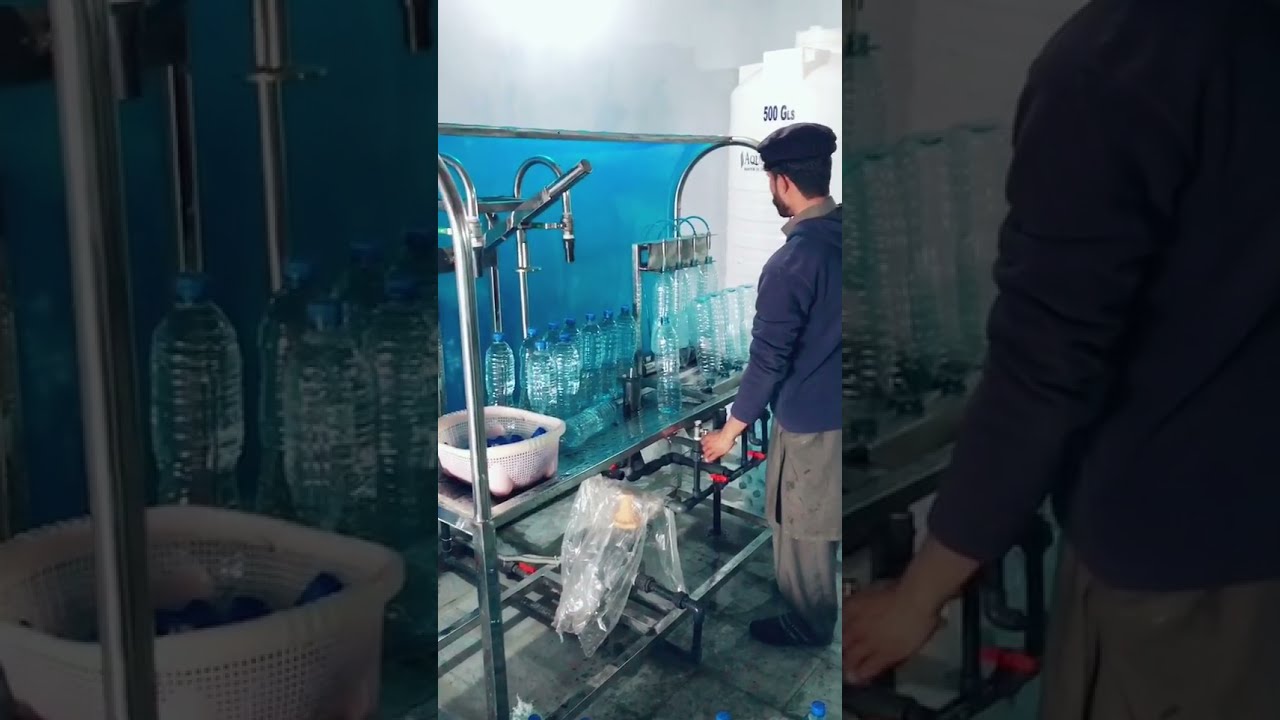
If you’re Green lighted on a Chilterns water project, here are the practical steps I’d take next:
- Draft a one-page origin manifesto that every team member can recite. Align packaging to the mineral profile and the origin story, then test with real shoppers. Build a retailer playbook with joint marketing opportunities and educator materials for staff. Launch an education-forward digital hub that explains the water’s journey in an accessible way. Measure trust, trial, and repeat purchase rates, and use the data to refine every element.
The best brands in this space aren’t merely bottles on a shelf; they’re trusted partners in hydration. They know that the consumer’s choice is a story they want to tell. And when you give them a story worth sharing, they’ll reach for your bottle again and again.
Tables and Quick Reference
| Stage | What to Deliver | Metrics to Watch | Who Should Be Involved | |---|---|---|---| | Origin Validation | Source certification, mineral benchmarks | Certification awards, purity scores | Compliance, Lab, Sourcing | | Packaging Testing | Label clarity, pour experience | Shelf impact, consumer taste tests | Design, R&D, Marketing | | Brand Narrative | Origin story and value proposition | Brand recall, message resonance | Brand, Copy, Creative | | Retail Launch | In-store sampling, co-branding | Trial rate, retailer feedback | Sales, Marketing, Retail Partners | | Scale & Optimize | Packaging optimization, expanded lines | Repeat purchase rate, cost per unit | Ops, Finance, Marketing |
Final Thoughts: The Chilterns as a Brand North Star
If your goal is to build a water brand that lasts, the Chiltern Hills story offers a blueprint for turning place into purpose. It’s not enough to claim purity; you must demonstrate it, legibly and honestly. It’s not enough to present a good bottle; you must present a good story, backed by evidence your customers can trust. And it’s not enough to be on shelves; you must be a partner in the consumer’s everyday hydration ritual.
If you’re contemplating a brand in the food and drink space, take a page from this playbook: let origin be your compass, let packaging be your mouthfeel, and let retailers be your co-pilots. The result is not simply a successful product launch; it’s a durable brand relationship built on truth, taste, and a shared commitment to quality.
Would you like help mapping your own origin story into a market-ready brand? I’m happy to walk you through a no-obligation diagnostic to identify quick wins and longer-term opportunities.